
Immune & Seasonal
Support

Remedies for Allergies
Allergies are immune system reactions to substances like pollen, dust, food, or pet dander. Symptoms may include sneezing, itching, congestion, rashes, or breathing difficulties. They range from mild to severe and can affect daily life. Identifying triggers and managing symptoms is key to reducing discomfort and improving overall well-being.
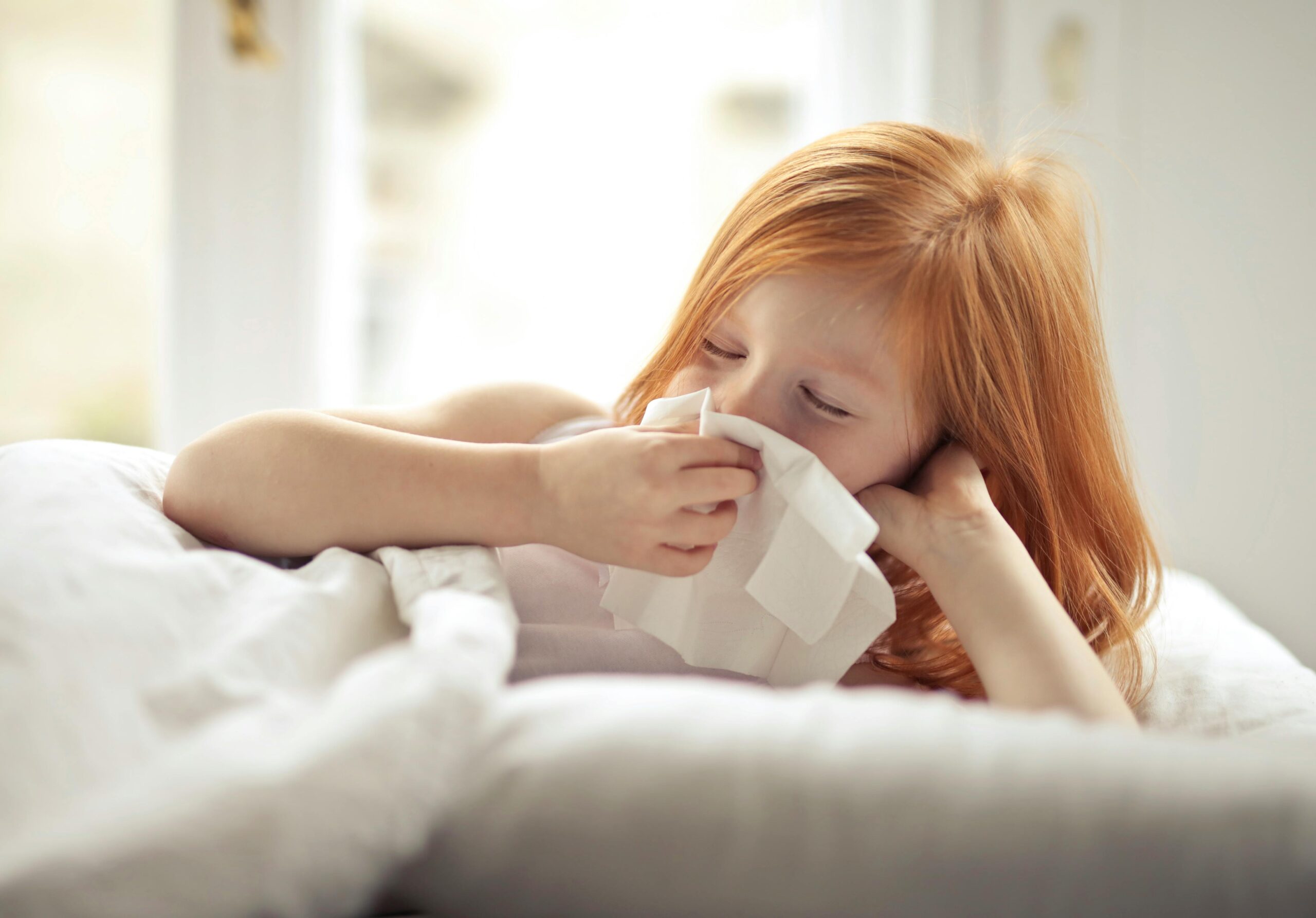
Remedies for Flu
The flu is a contagious respiratory illness caused by influenza viruses. It typically comes on suddenly with symptoms like fever, chills, cough, sore throat, body aches, and fatigue. While most recover within a week, complications can occur, especially in young children, older adults, or those with weakened immune systems.

Remedies for Sinus
Sinus issues occur when the sinus cavities become inflamed or blocked, often due to infection, allergies, or irritants. Common symptoms include facial pressure, nasal congestion, headache, and thick mucus. Sinus discomfort can be acute or chronic, affecting breathing and overall comfort. Identifying the cause is key to effective relief.
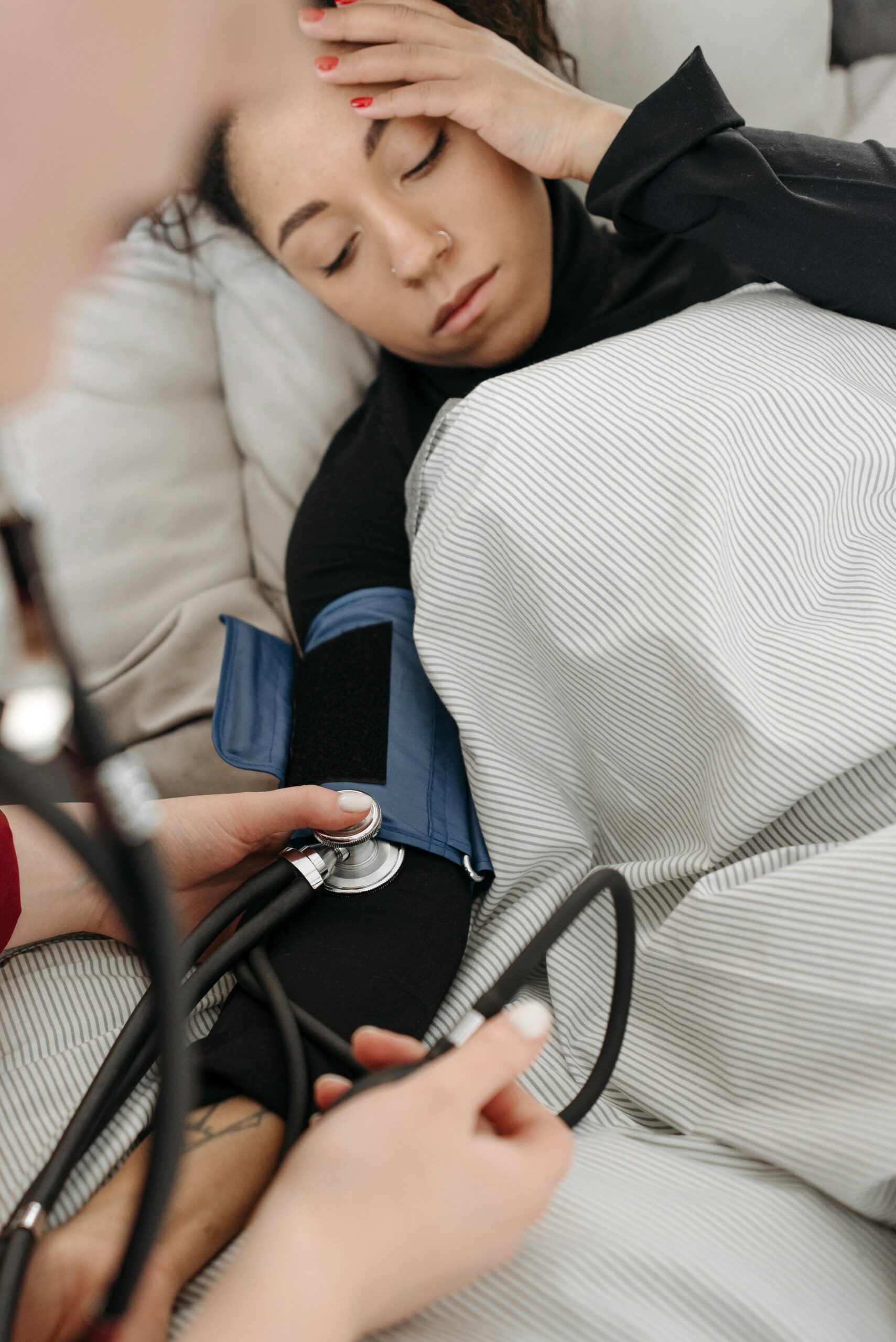
Remedies for Influenza
Influenza is a contagious viral infection that affects the nose, throat, and lungs. It typically begins suddenly with symptoms like high fever, chills, cough, sore throat, muscle aches, and fatigue. While most cases resolve in a few days, influenza can cause serious complications, particularly in young children and older adults.

Remedies for Sore Throat
A sore throat is irritation or pain in the throat, often caused by viral or bacterial infections. Symptoms include scratchiness, difficulty swallowing, and redness. It is common during colds and flu. Most sore throats improve within a few days, but persistent or severe cases may require medical attention.

Remedies for Croup
Croup is a common respiratory condition in young children, causing swelling around the vocal cords. It leads to a distinctive barking cough, hoarseness, and difficulty breathing. Often caused by viral infections, croup symptoms usually worsen at night but typically improve within a week with proper care and monitoring.